
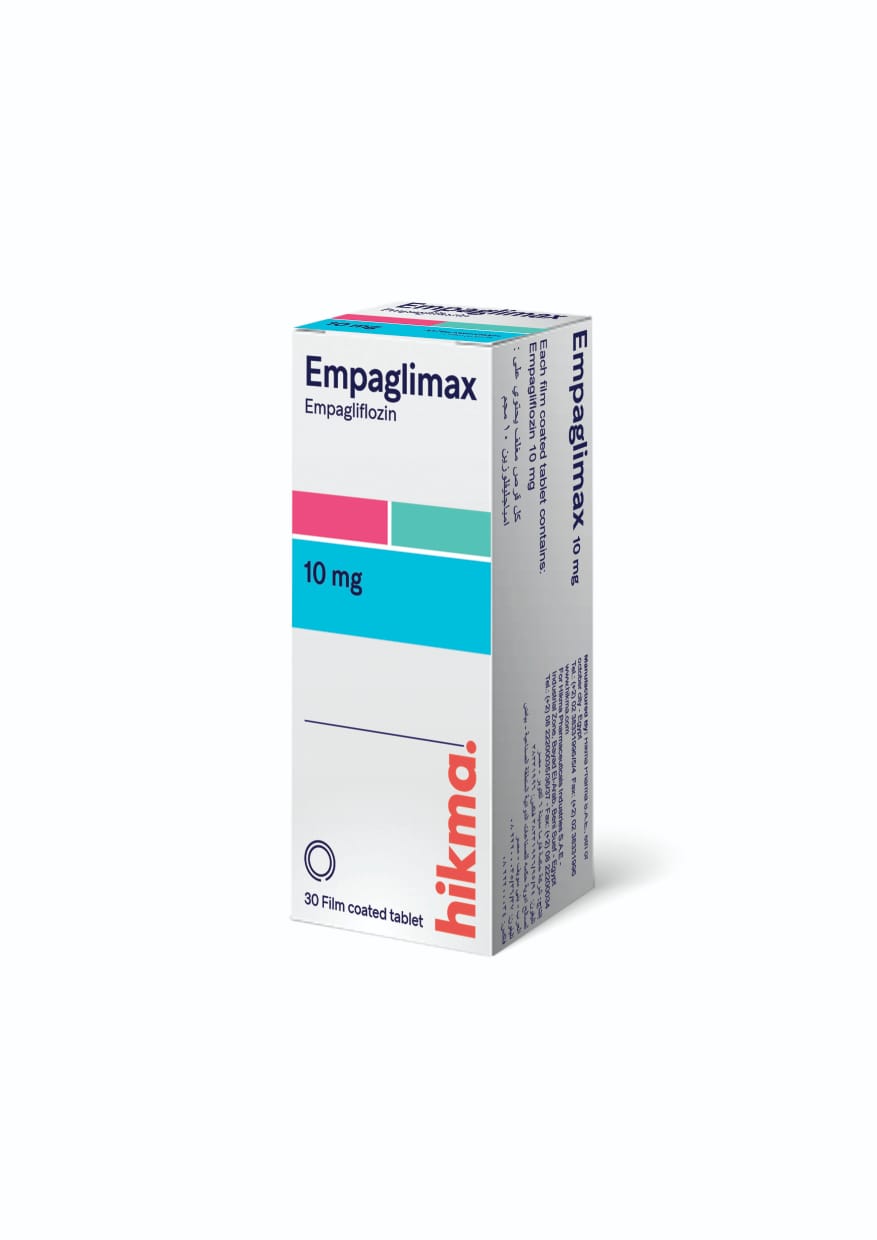
Empaglimax 10 mg – Empagliflozin for Type 2 Diabetes Control
Empaglimax 10 mg is an oral antidiabetic medication containing empagliflozin. It is used for the treatment of type 2 diabetes mellitus in adults to improve blood sugar control when combined with proper diet and physical activity.
Empaglimax works through the kidneys to eliminate excess glucose from the body, offering an insulin independent approach to diabetes management.
Composition of Empaglimax 10 mg
Each film coated tablet contains:
Empagliflozin 10 mg
Excipients, q.s.
Therapeutic class: Sodium Glucose Co Transporter 2 inhibitor, SGLT2 inhibitor.
Mechanism of Action
Empagliflozin selectively inhibits SGLT2 receptors located in the proximal renal tubules of the kidneys.
Under normal conditions, SGLT2 reabsorbs filtered glucose back into the bloodstream. By blocking this transporter, empagliflozin reduces glucose reabsorption and promotes urinary glucose excretion.
This leads to:
- Reduction in circulating blood glucose levels
- Decrease in HbA1c
- Loss of excess calories through glucose excretion
- Mild osmotic diuresis which may help reduce blood pressure
- Reduced cardiovascular and renal workload
Because this mechanism does not stimulate insulin secretion, the risk of hypoglycemia is low when used alone.
Indications Of Empaglimax 10 mg
Empaglimax 10 mg is indicated for:
Type 2 Diabetes Mellitus
To improve blood glucose control as monotherapy or in combination with other antidiabetic agents.
Cardiovascular Risk Reduction
In patients with diabetes who require additional cardiovascular protection as assessed by a healthcare professional.
Renal Protection
Supports kidney health in patients with diabetes when used appropriately.
Dosage and Administration
- One tablet once daily
- Preferably taken in the morning
- Can be taken with or without food
- Swallow whole with water
- Ensure adequate hydration during therapy
Not recommended for treatment of type 1 diabetes or diabetic ketoacidosis.
Safety and Side Effects
Empaglimax is generally well tolerated. Possible side effects include:
- Increased urination
- Mild dehydration
- Urinary tract infections
- Genital fungal infections
- Dizziness in volume depleted patients
Patients should seek medical advice if symptoms such as persistent nausea, vomiting, abdominal pain, or unusual fatigue occur.
Precautions of Empaglimax 10 mg
- Assess renal function before starting treatment
- Use cautiously in elderly patients
- Monitor patients taking diuretics
- Maintain proper fluid intake
- Temporarily discontinue during severe illness if advised by a physician
Who Should Use Empaglimax 10 mg
- Adults diagnosed with type 2 diabetes
- Patients needing additional glucose lowering despite lifestyle changes
- Individuals requiring an insulin independent therapy option
- Patients who may benefit from cardiovascular or renal support
Key Benefits
- Helps achieve better glycemic control
- Works independently of insulin pathways
- Supports modest weight reduction
- May assist in lowering blood pressure
- Provides cardiovascular protection in appropriate patients
- Helps delay progression of diabetic kidney disease
- Once daily dosing improves treatment adherence
Disclaimer:
This information is for educational purposes only and does not replace professional medical advice. Always use as directed by a qualified healthcare provider.
-
 Quick View
 -
 Quick View
 -
 Quick View
 -
 Quick View